Research
How the macro read actually works.
Plain explanations of the forces that move currencies, metals and indices: rates, central banks, positioning, research consensus and risk. Written by me, using the same data the terminal runs on.
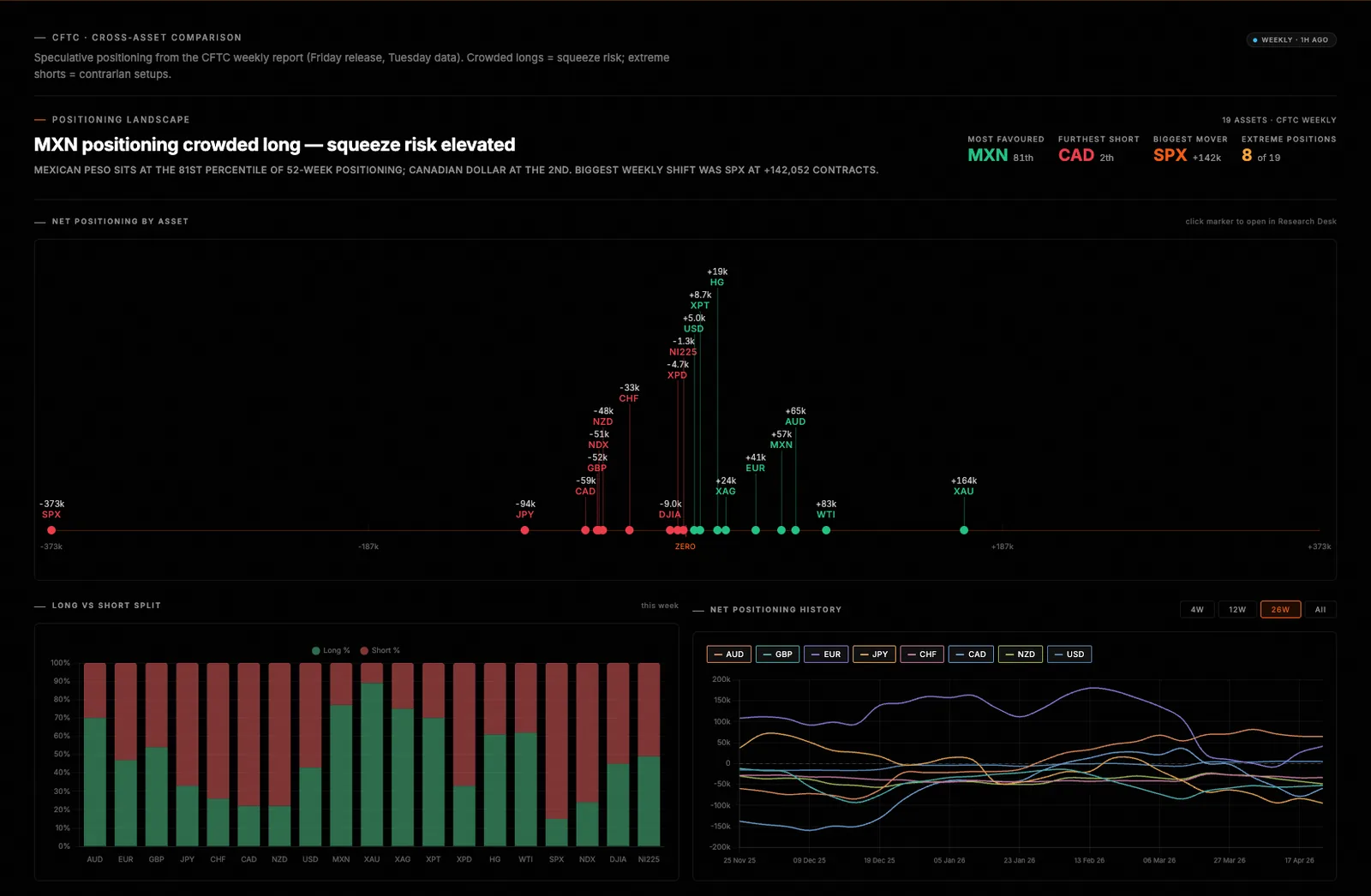
-
 Video BEST TRADES THIS WEEK: GOLD, EUR/USD, AUD/NZD And More! Fed hawkishness clashes with weak data; hedge dollar exposure across gold, EUR/USD, NZD.
 -
 Video Markets Are Going to Get Crazy! Jackson Hole speech could trigger major dollar and commodity volatility today.
 -
 Video Gold Just Flashed a MASSIVE Buy Signal! Gold breaks 4000 with golden cross setup; institutions 92% long.
 -
 Video BEST TRADES THIS WEEK: GOLD, EUR/USD, USD/CAD And More! Dollar weakness creates multi-asset trading opportunities across majors this week.
 -
 Video WARNING: The Dollar Is CRASHING! Dollar crashes below key support as Treasury buyback caps yields and unwinds crowded shorts.
 -
 Video BEST TRADES THIS WEEK: GOLD, GBP/USD, EUR/USD And More! USD weakness creates multi-pair opportunities across commodities and FX.
 -
 Video Retail is Selling ... I'm Buying! Retail shorts AUD/NZD while smart money buys—contrarian positioning signals upside.
 -
 Video The USD Could Crash Tomorrow CPI tomorrow could trigger dollar crash or stagflation trap.
 -
 Video The Dollar Is Breaking Down… Gold Could EXPLODE Dollar breakdown signals gold explosion as fundamentals deteriorate sharply.
 -
 Video WARNING: Gold Just Flipped Bullish… Is $5,000 Next? Gold flips bullish amid Middle East de-escalation; $5,000 target in sight.
 -
 Video Why the BoJ Can't Save the Yen Japan's debt trap makes rate hikes impossible without economic collapse.
 -
 Video BEST TRADES THIS WEEK: GBP/USD, AUD/NZD, NIKKEI And More!
 -
 Video WARNING: The Dollar Just Changed Fed removes guidance; dollar yen crashes 3.5% as intervention reshapes FX dynamics.
 -
 Video WARNING: Tomorrow Changes Everything Fed decision tomorrow could pivot dollar strength for rest of year.
 -
 Video I Finally Took This Trade Pound-yen long setup finally triggered after perfect Fibonacci pullback entry.
 -
 Video BEST TRADES THIS WEEK: GBPJPY, EURUSD, NIKKEI And More!
 -
 Video WARNING: Something Big Is Coming! Magnitude Seven weakness signals major S&P downside risk ahead.
 -
 Video The Banks Just Flipped Bearish on EUR/USD Banks flip bearish EUR/USD as geopolitical risk drives dollar strength.
 -
 Video I Just Bought Gold... Here's Why Gold rejection at support signals seasonal rally opportunity ahead.
 -
 Video BEST TRADES THIS WEEK: GBP/USD, CAD/JPY, USD/CAD And More! USD weakness opens carry-trade opportunities in GBP/JPY and CAD/JPY this week.
 -
 Video I Just Entered This Trade (Full Breakdown) GBP/USD long setup: technicals align with bullish bank consensus and widening yield spreads.
 -
 Video This Forex Trade Looks TOO Good to Ignore Euro pound screams short—fundamentals, COT, and technicals all aligned.
 -
 Video This Changes Everything for Gold & Forex Cooler CPI data signals dollar weakness and gold/GBP strength ahead.
 -
 Video Tomorrow Changes Everything for Forex Traders Tomorrow's inflation print could flip dollar expectations and create major trade opportunities.
 -
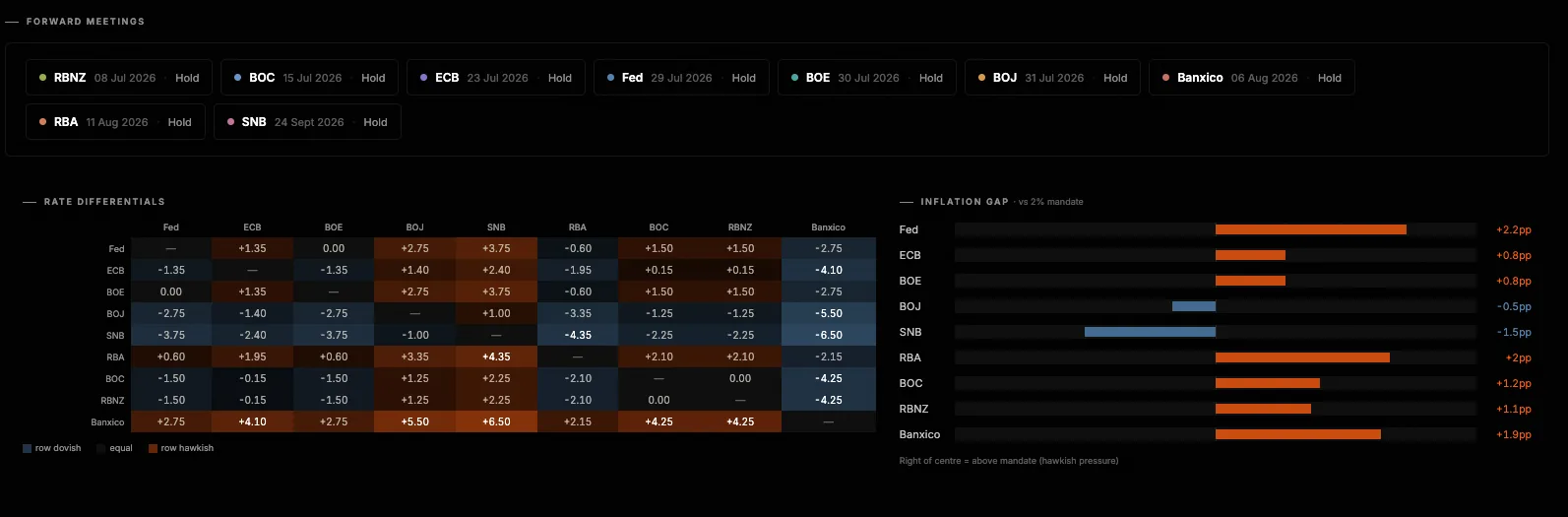 Central Banks Rate Differentials Explained: Why Interest Rates Move Currencies Interest rate differentials are one of the strongest forces in FX. Here is what they are, why the expected path matters more than the level, and when they stop working.
 -
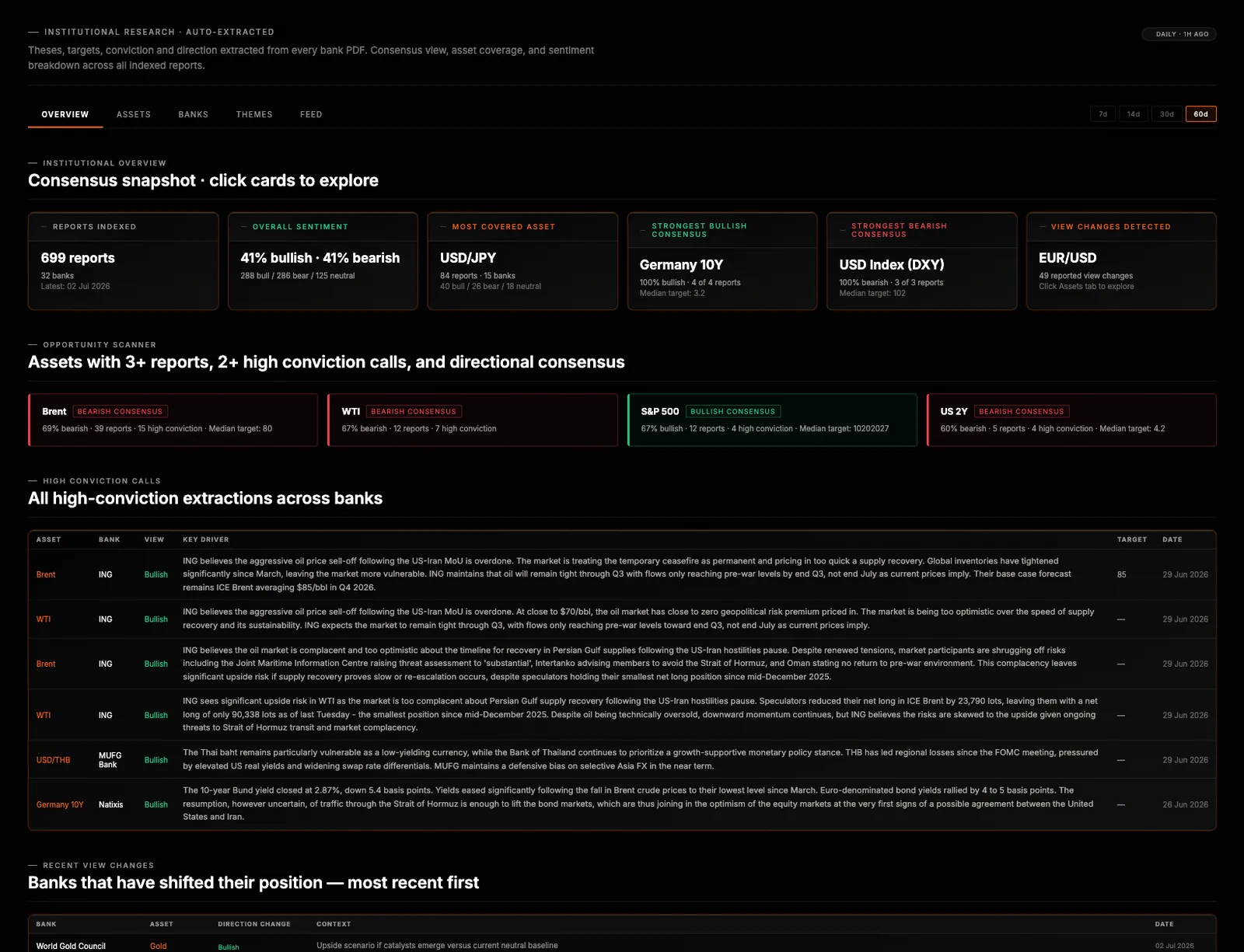 FX Fundamentals How to Read Bank Research Consensus in FX Sell-side FX research is noisy and often wrong. Used well, the consensus across many banks is still a genuine edge. Here is how I read it, and how to avoid herding.
 -
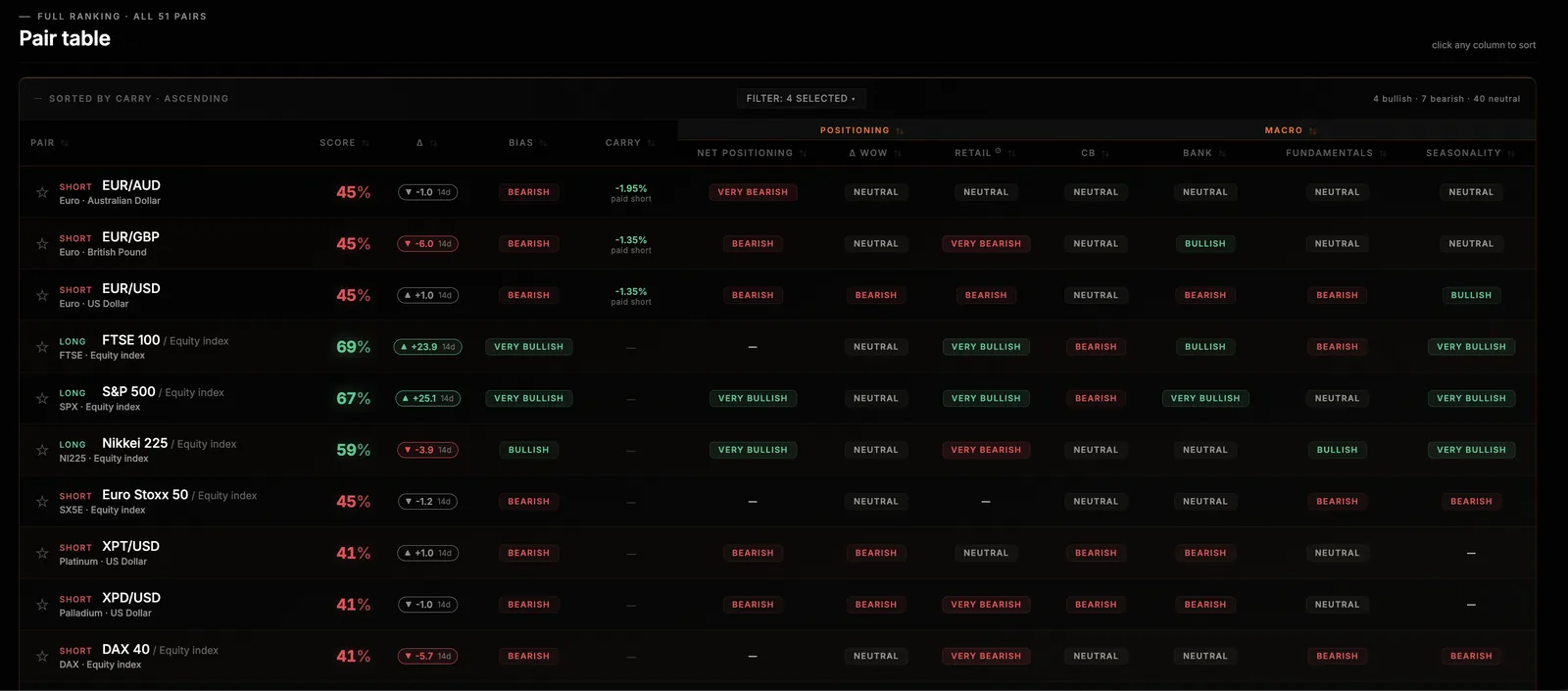 FX Fundamentals The Carry Trade Explained: Earning the Rate Differential The carry trade is one of the oldest ways to make money in FX, and one of the fastest to blow up. Here is how it works, where the return comes from, and what kills it.
 -
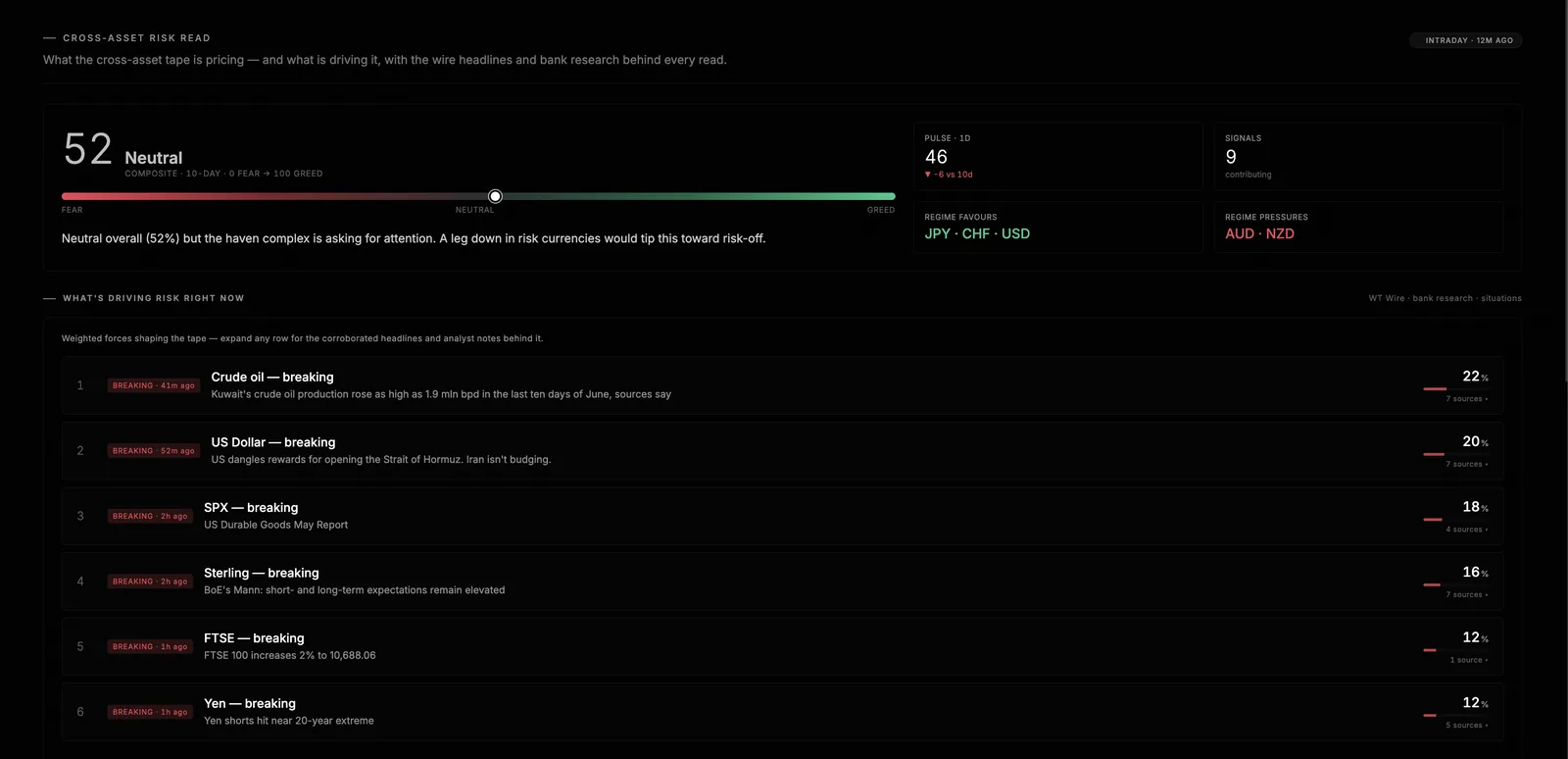 Market Structure Risk-On, Risk-Off: How Sentiment Drives FX Some days one thing moves every currency: the market's appetite for risk. How to read the risk regime, and why it overrides the fundamentals.
 -
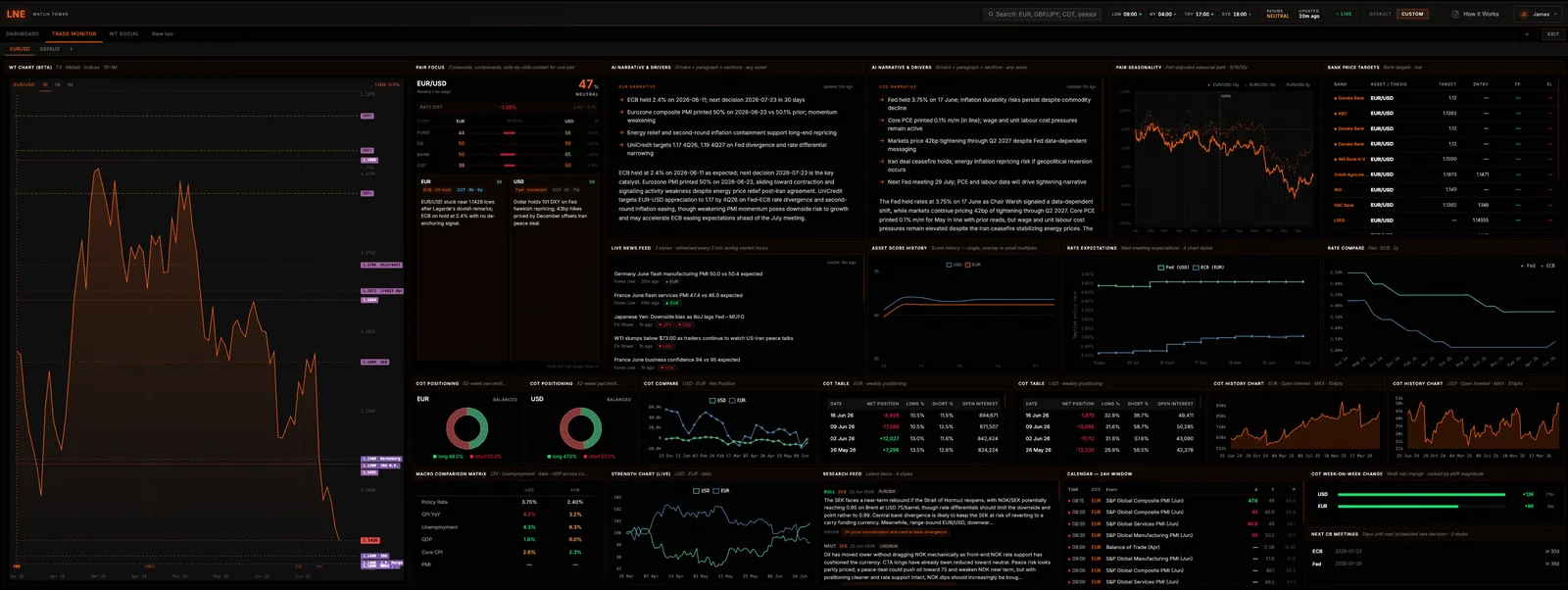 Getting Started How Corroboration Works: Reading Positioning, Research and Rates Together No single signal is reliable on its own. The real edge in macro is corroboration, when independent reads all point the same way. Here is how I layer them.
 -
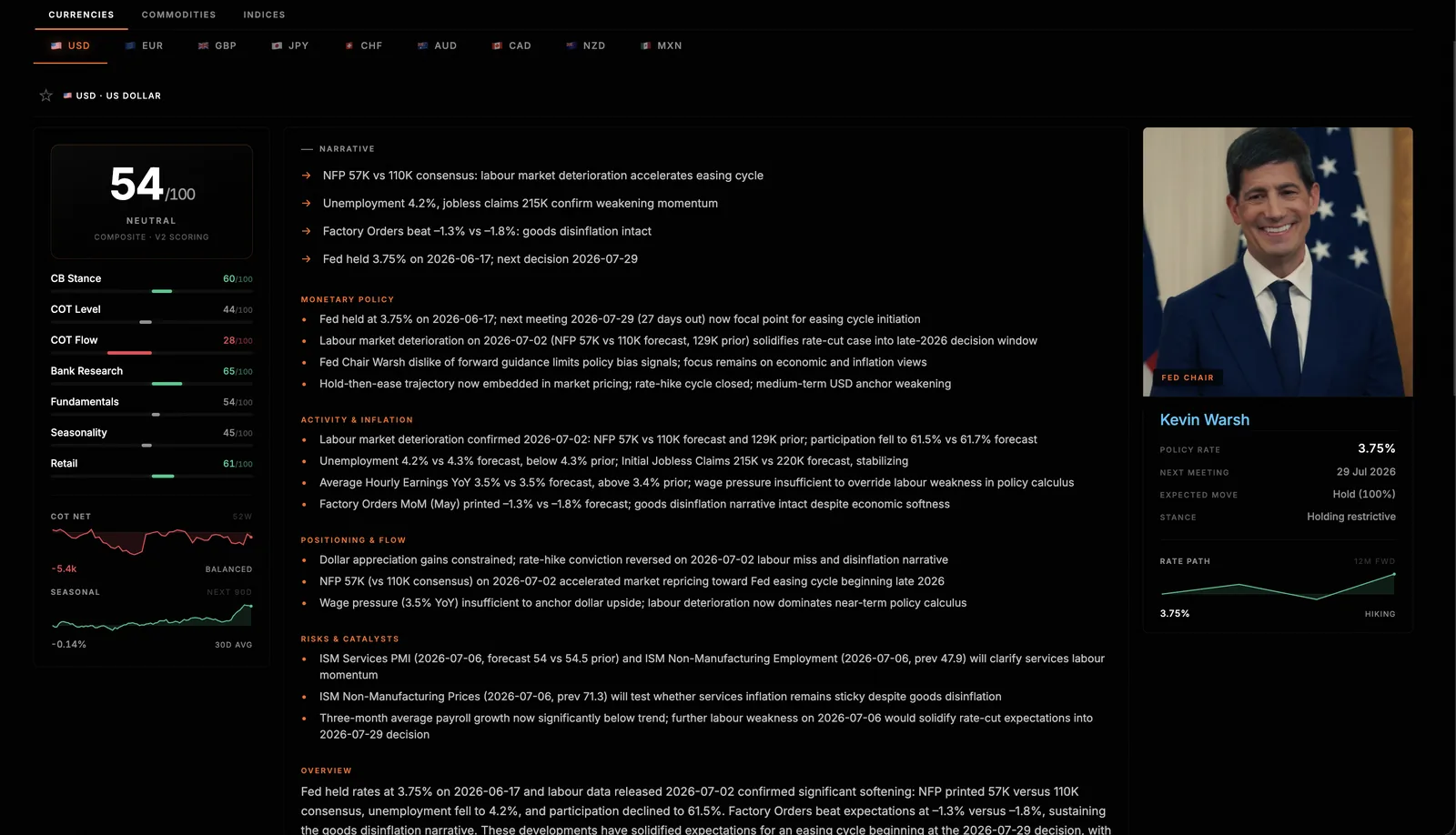 FX Fundamentals What Moves the US Dollar The dollar sits on one side of most FX trades, so understanding it matters more than any other currency. Here are the forces that actually move it, and the dollar smile.
 -
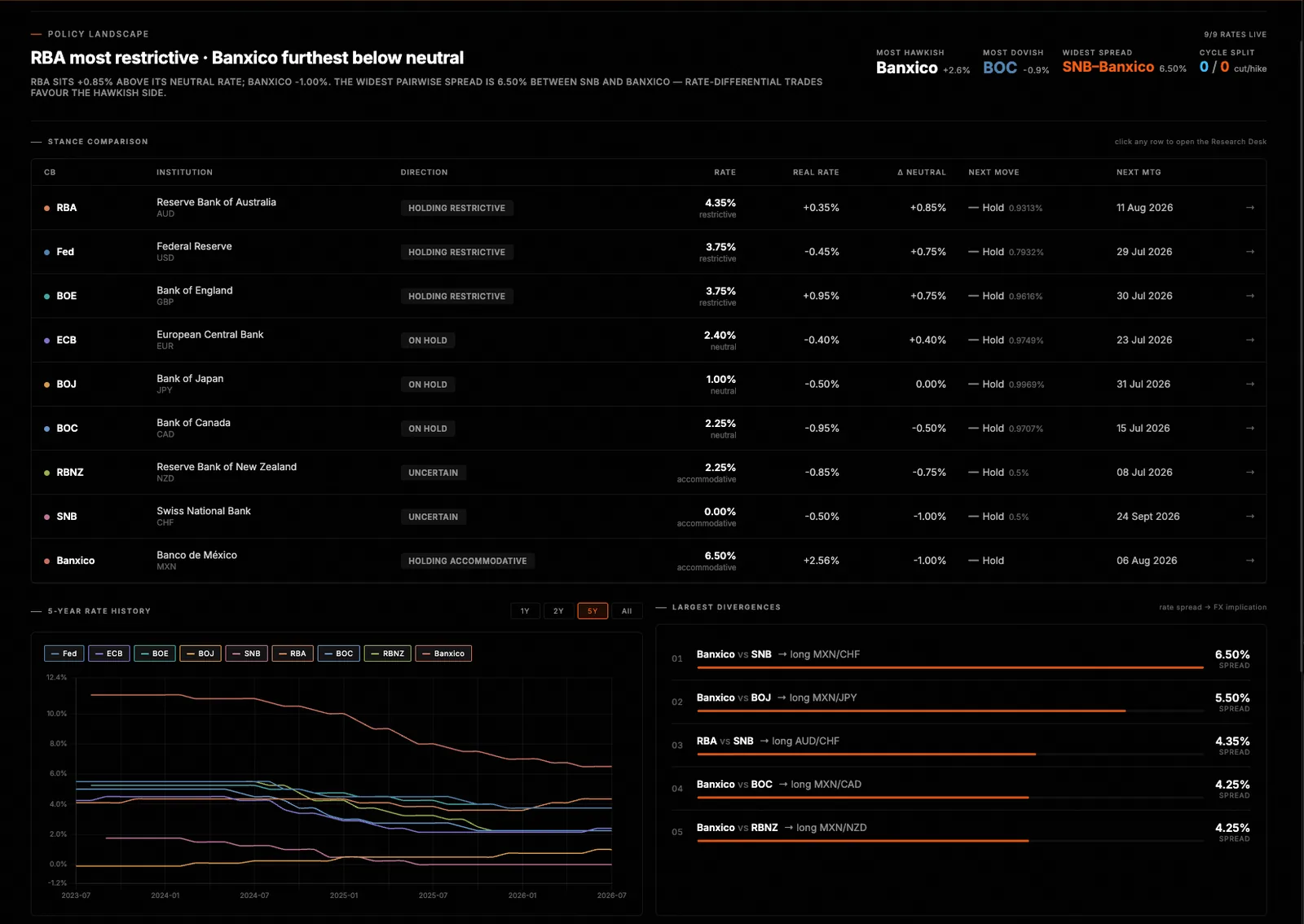 Central Banks How to Read a Central Bank Meeting A rate decision is the least interesting part of a central bank meeting. The market trades the guidance and the surprise. Here is what to watch and how the reaction works.
 -
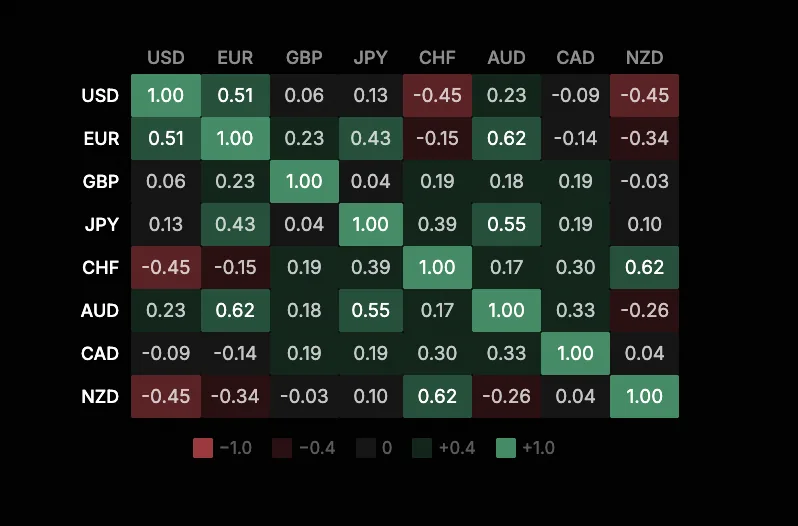 Market Structure Currency Correlations: Why Pairs Move Together Currency pairs are not independent. Understanding which ones move together, which move opposite, and why it changes in a panic keeps you from stacking the same bet.
 -
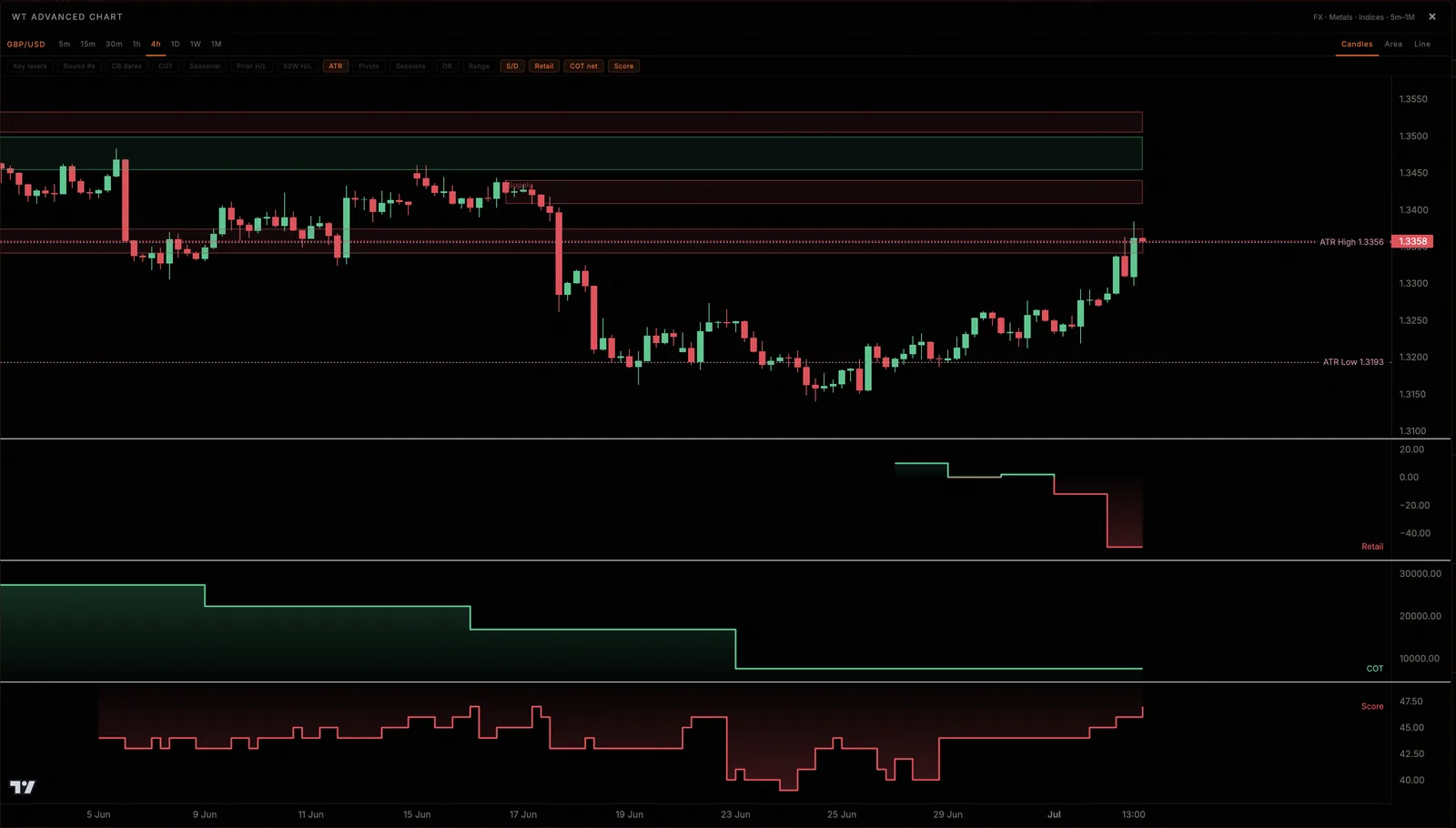 Positioning Retail Sentiment vs COT: The Two Crowds Retail traders and institutions are two different crowds, and they are often on opposite sides. Here is how to read retail sentiment, and why the divergence is the signal.
 -
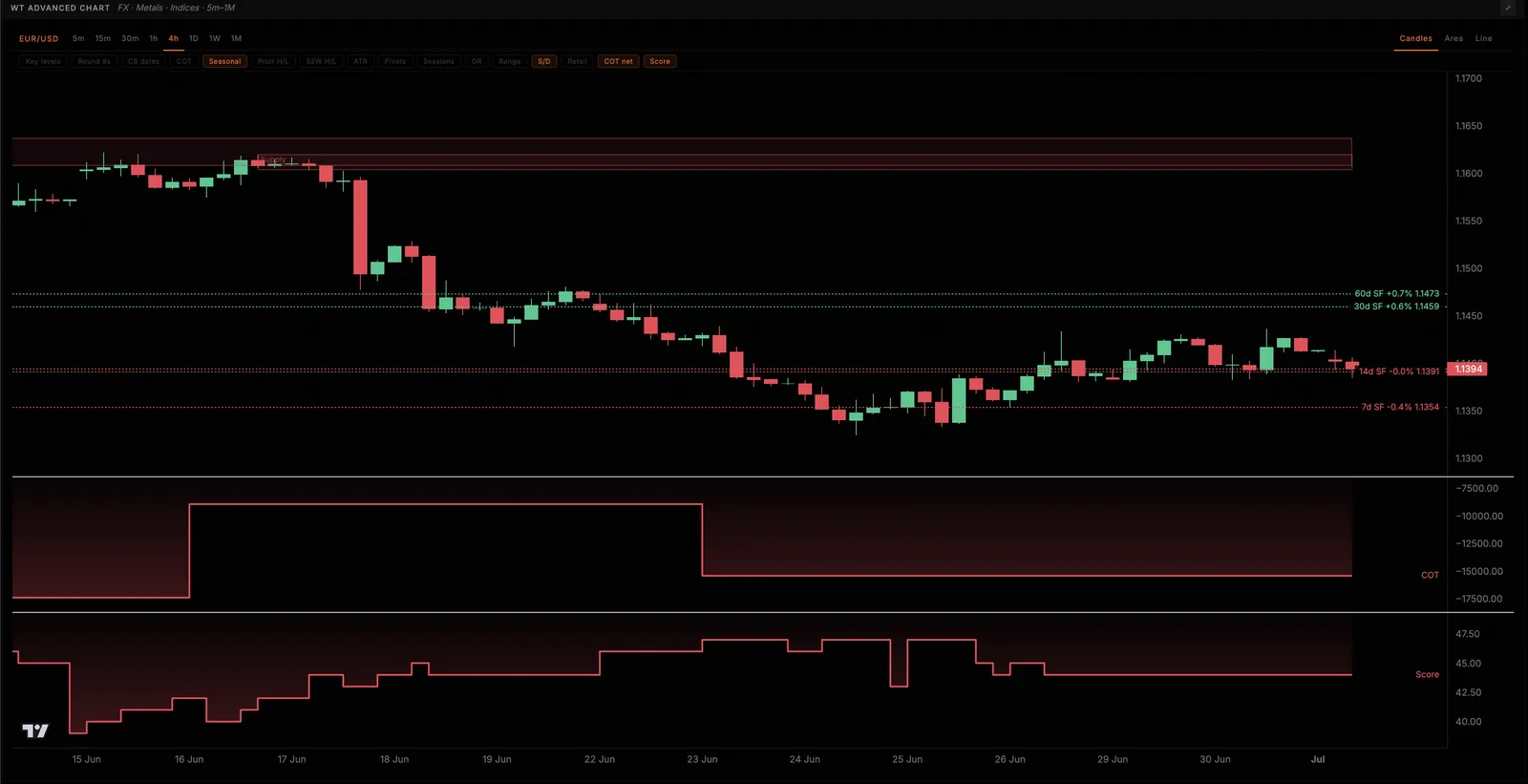 Market Structure FX Trading Sessions and Liquidity The FX market runs 24 hours, but it does not trade the same all day. Understanding the sessions and where liquidity concentrates changes how you read every move.
 -
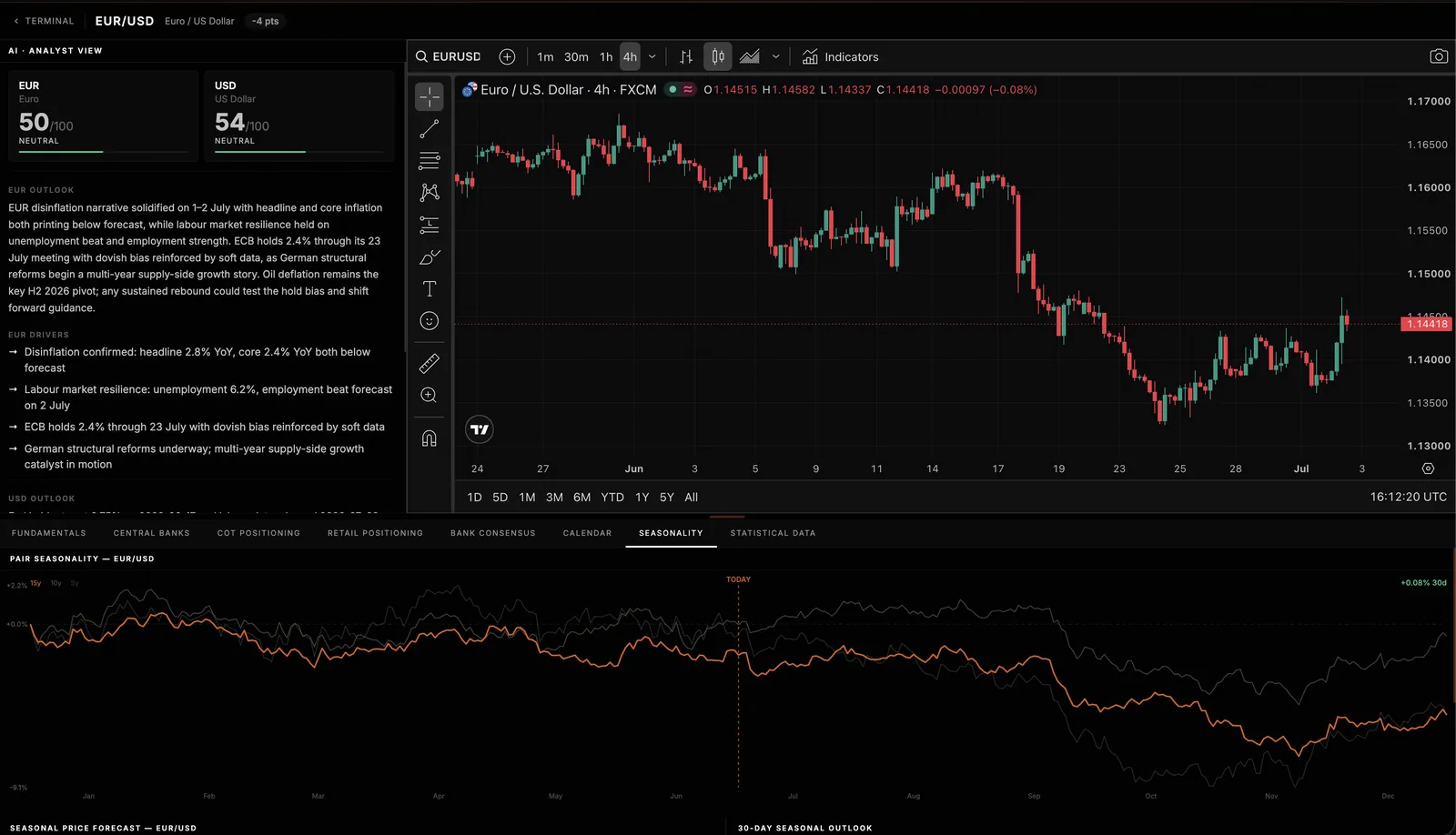 Central Banks Forward Guidance Explained Central banks move markets with words, not just rates. Forward guidance steers the expected path of policy, which is what currencies actually trade. Here is how it works.
 -
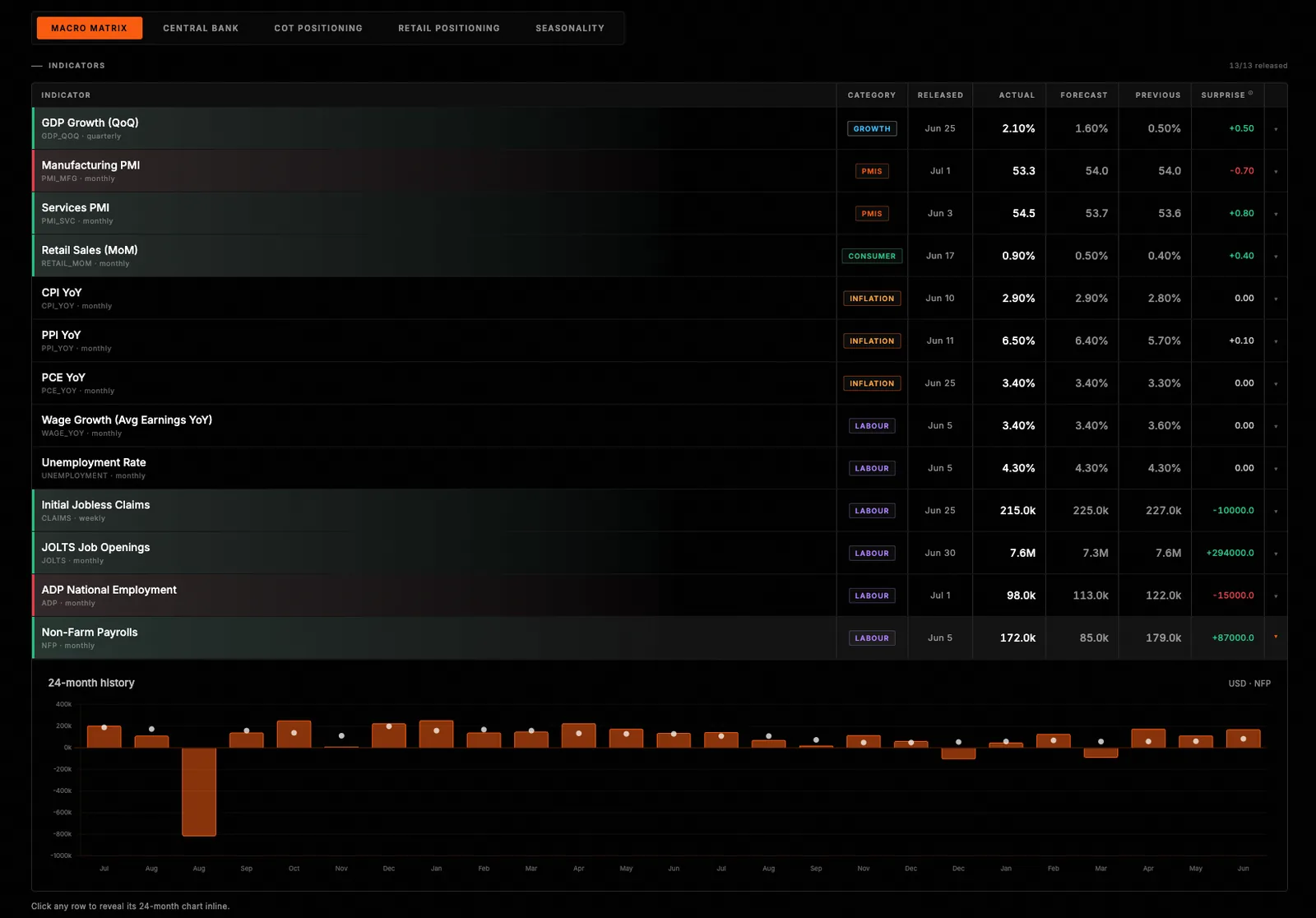 Getting Started What Is Macro Trading? Macro trading means reading markets top-down through the big forces of rates, growth, policy and risk. Here is what it is and how to start.
 -
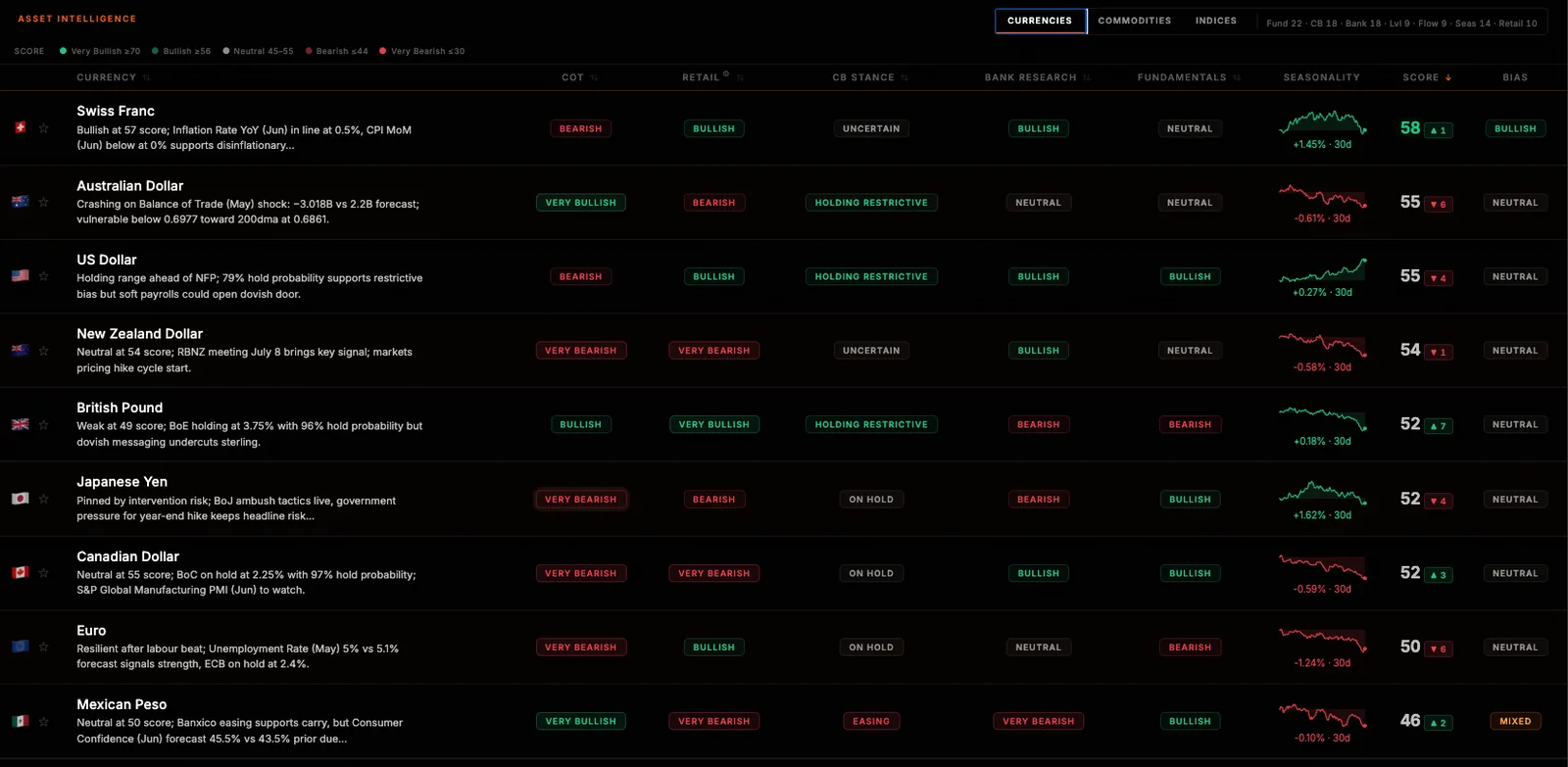 Getting Started What Moves Currency Prices? A Beginner's Guide Currencies move on a handful of big forces: interest rates, economic data, risk sentiment and positioning. Here is a plain-language guide to each, and how they fit together.
 -
 Getting Started Fundamental vs Technical Analysis in FX Fundamentals explain the why and the direction; technicals help with the when and the where. An honest comparison of the two ways to read the FX market.
The data behind the writing
Every idea here is running live in the terminal.
Composite scores on 24 markets, positioning across 44, and the research consensus behind them. 12 boards free, no card.